Neighbourhood guide
Isola
An island with railway tracks for a sea, now Milan's most creative corner, right under the towers of Porta Nuova.
- North of the centre
- Day or night
- Isola (M5)
- Home of the Bosco Verticale
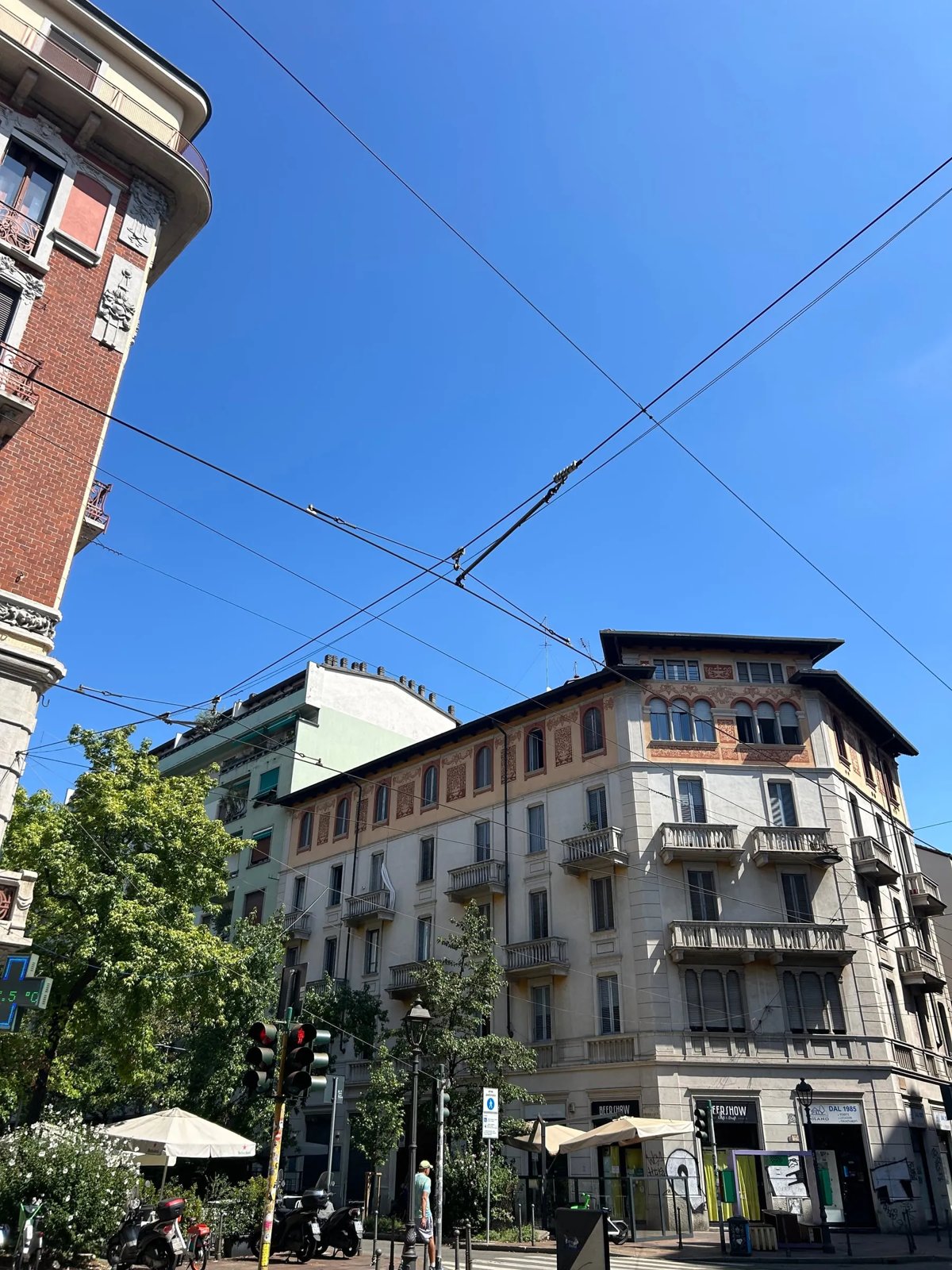
The neighbourhood
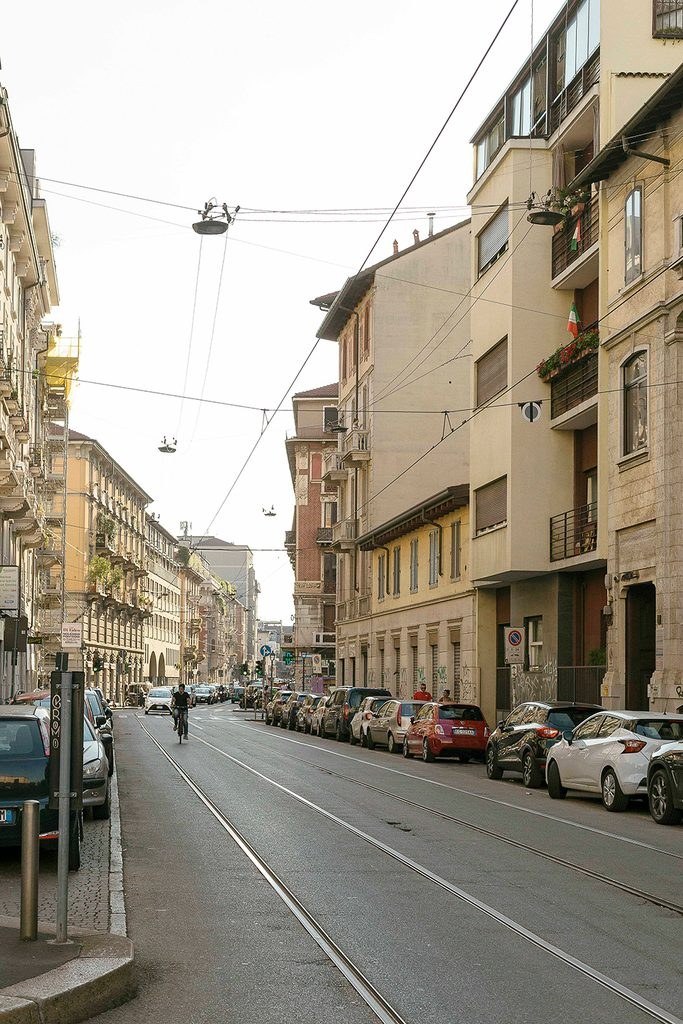
Isola means 'the island', and for a long time it really was one, with railway tracks where the sea should be.
That isolation kept it a close-knit, working-class quarter of balcony houses, workshops and old bars, and much of it survives. Look out for the shop shutters painted by street artists. A few steps away is a different city: the Porta Nuova skyline, the Bosco Verticale and Piazza Gae Aulenti, all built on its southern edge in the 2010s.
It's one of Milan's most creative corners, with ceramicists, jewellers and design studios on Via Borsieri and Via Thaon di Revel, a revamped covered market and some of the city's best bars. In 2023 Time Out named it the eighth coolest neighbourhood in the world. It's a place to live like a local rather than tick off sights. Come in the late afternoon, look up at the Bosco Verticale from the park, then stay for aperitivo.
Where to drink
The letters match the map.
-
Tusa IsolaA small, colourful cocktail bar on Via Borsieri with a lounge feel. The list changes every six months, with a few off-menu specials, and there's wine by the glass too. Good for aperitivo or a late drink.
-
CruA tiny, bottle-lined wine bar pouring natural wines from small producers in Italy, France, Slovenia and Georgia, with artisan cheese and charcuterie. Sommelier Jacopo Ercolani opened it in 2018.
-
SolchiA listening bar where the music is vinyl only, with DJ sets and open-deck nights when you can bring your own records, plus the odd record market. Solchi means 'grooves', as in a record's.
What to do
The numbers match the map.
-
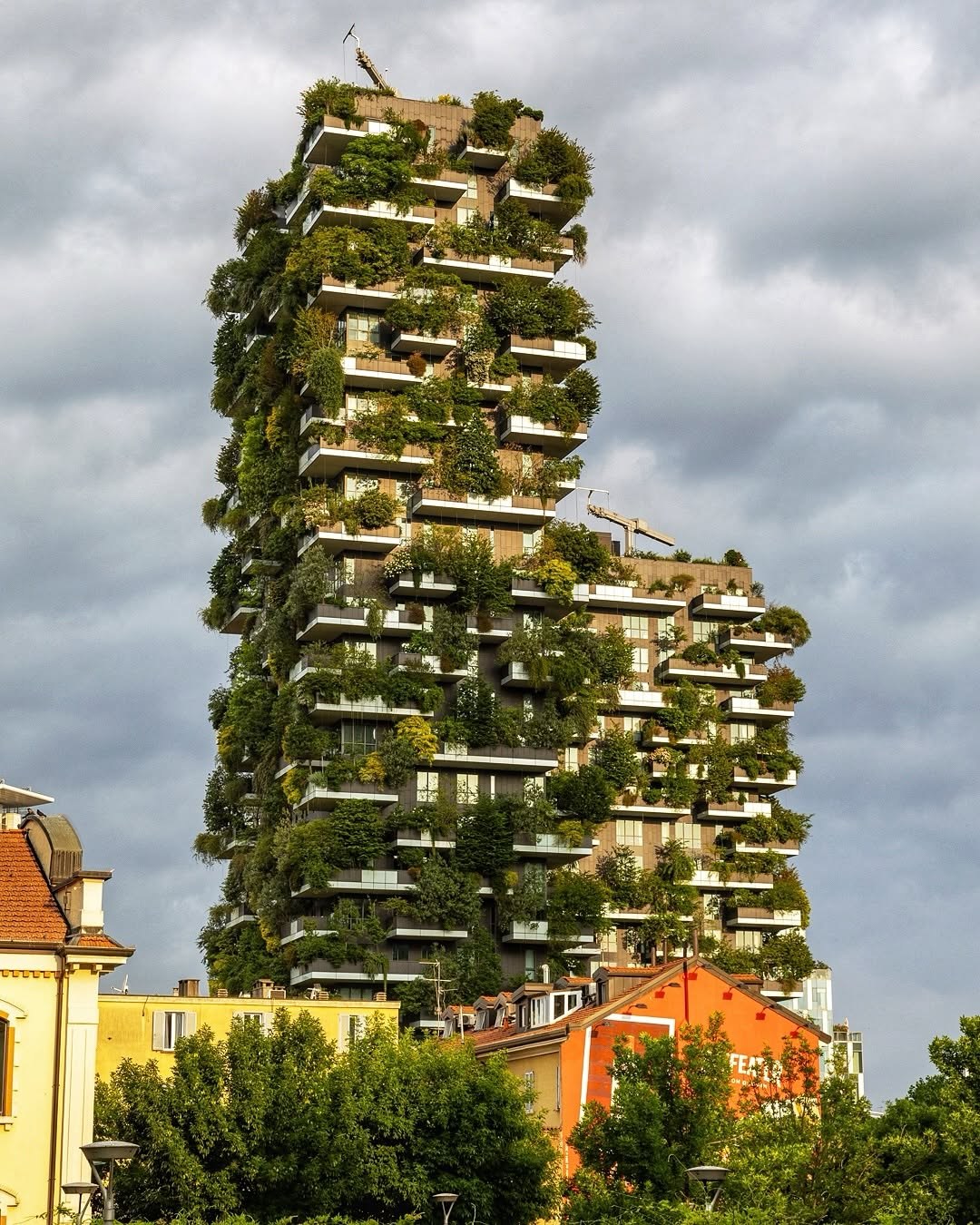
Bosco Verticale and the Biblioteca degli AlberiBoeri Studio's two 'vertical forest' towers, finished in 2014, carry about 700 trees and 5,000 shrubs on their balconies, and in 2015 they were named the best tall building in the world. They're private flats, so admire them from the Biblioteca degli Alberi, the 9.5-hectare park opened below them in 2018.Map
-
Santa Maria alla FontanaA Renaissance sanctuary from 1507, built over a spring once believed to heal. It was long credited to Leonardo, but the designer was Giovanni Antonio Amadeo. The fountains still run, now with ordinary tap water.Map